Many parents know this moment: you just want to squeeze, kiss, be close. Grandma, grandpa, aunt, uncle: they often mean well. But when a child steps out of the way of a hug or pulls back from a kiss, it can feel like rejection. It can hurt, unsettle and sting. And it often raises a quiet question:
Does my child even feel that I love them?
The answer is yes. But love needs to come in a different language.
Why is physical closeness so hard for some children?
It's rarely about the hug itself, it's about everything that's unpredictable about it.
Is the person warm or cold right now? Do they smell of perfume or of a long day? How firm will the squeeze be? How long will it last? Will there be a kiss afterwards or not? Will my back be stroked, or am I just being held? Is the person talking the whole time, and I hear it so loudly?
What means security to many adults can be physically unpleasant or even overwhelming for neurodivergent children. Not meant as rejection, simply too much at once.
Letting love land means: learning your child's language
This works in two directions.
What your child experiences as love
Often it's the small things that say: I know you. I'm thinking of you. The favourite meal for no special reason. Quiet when they need quiet. Understanding before explaining or correcting. Consideration for what bothers your child, for example, no strong perfume when you know it's overwhelming. And saying what happens next, that gives security before they even have to ask.
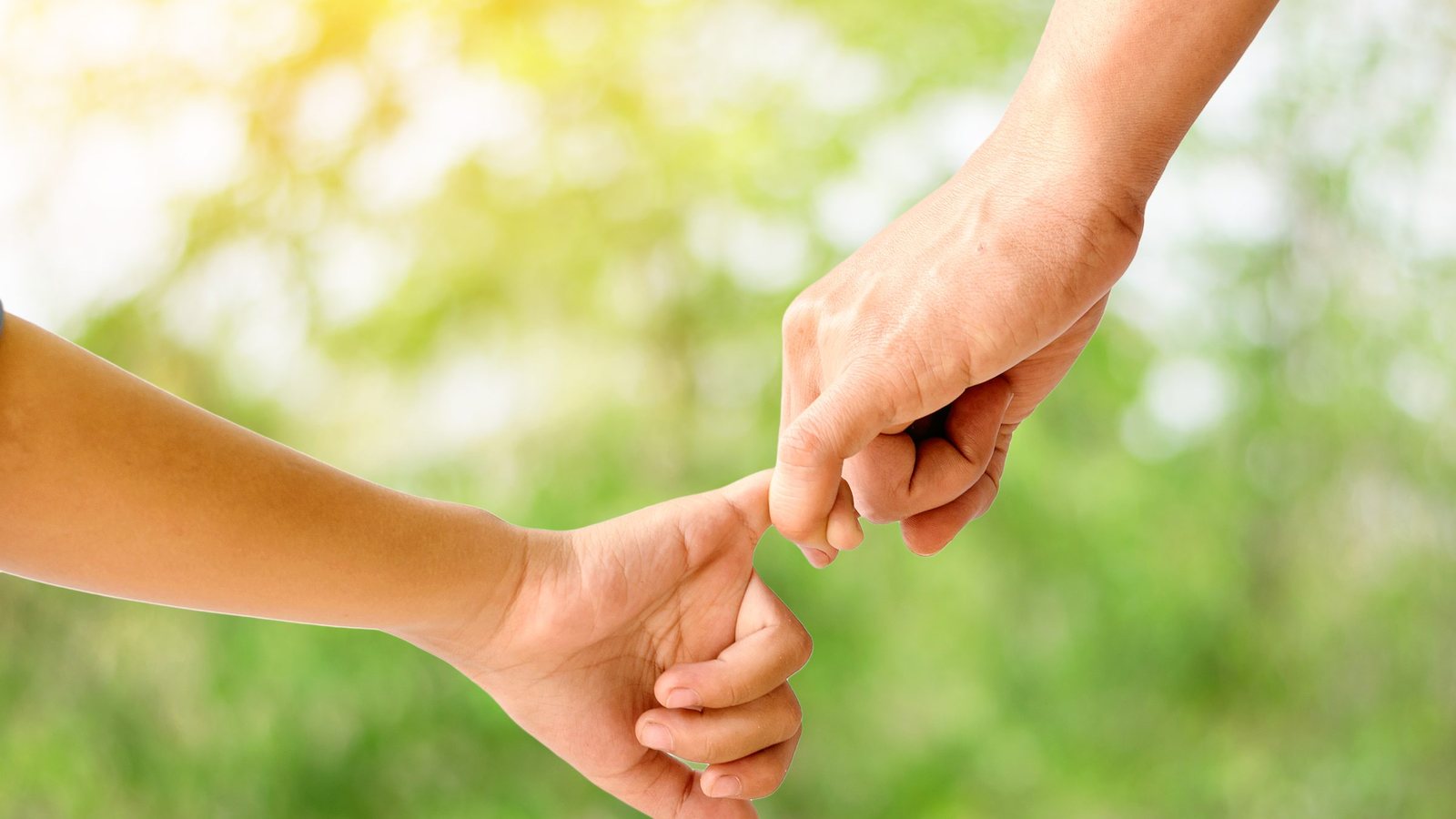
It doesn't have to be a hug. Sometimes a held-out finger is enough, and the child taps back. An air-kiss that goes back and forth. A small gesture that, over time, becomes entirely your own. Such rituals grow when parent and child look together:
The full text is in the app
In bloomnow you get the whole article, together with the exercises that belong to it. The app launches soon. Leave your address and we will write to you at launch.
Pre-register