You don't need new furniture or extra budget to make learning easier for a class. Often it's small changes that make the difference for neurodivergent children, and for everyone else too.
A classroom is a storm of stimuli: up to thirty children, posters on every wall, buzzing fluorescent tubes, voices, scraping chairs, constant changes. For many children that's tiring, for neurodivergent ones often overwhelming. The good news: you don't have to rebuild the school. Even small, cheap adjustments noticeably lower the stimulus level, and not only the one child with support needs benefits, but the whole learning group.
Calm the walls
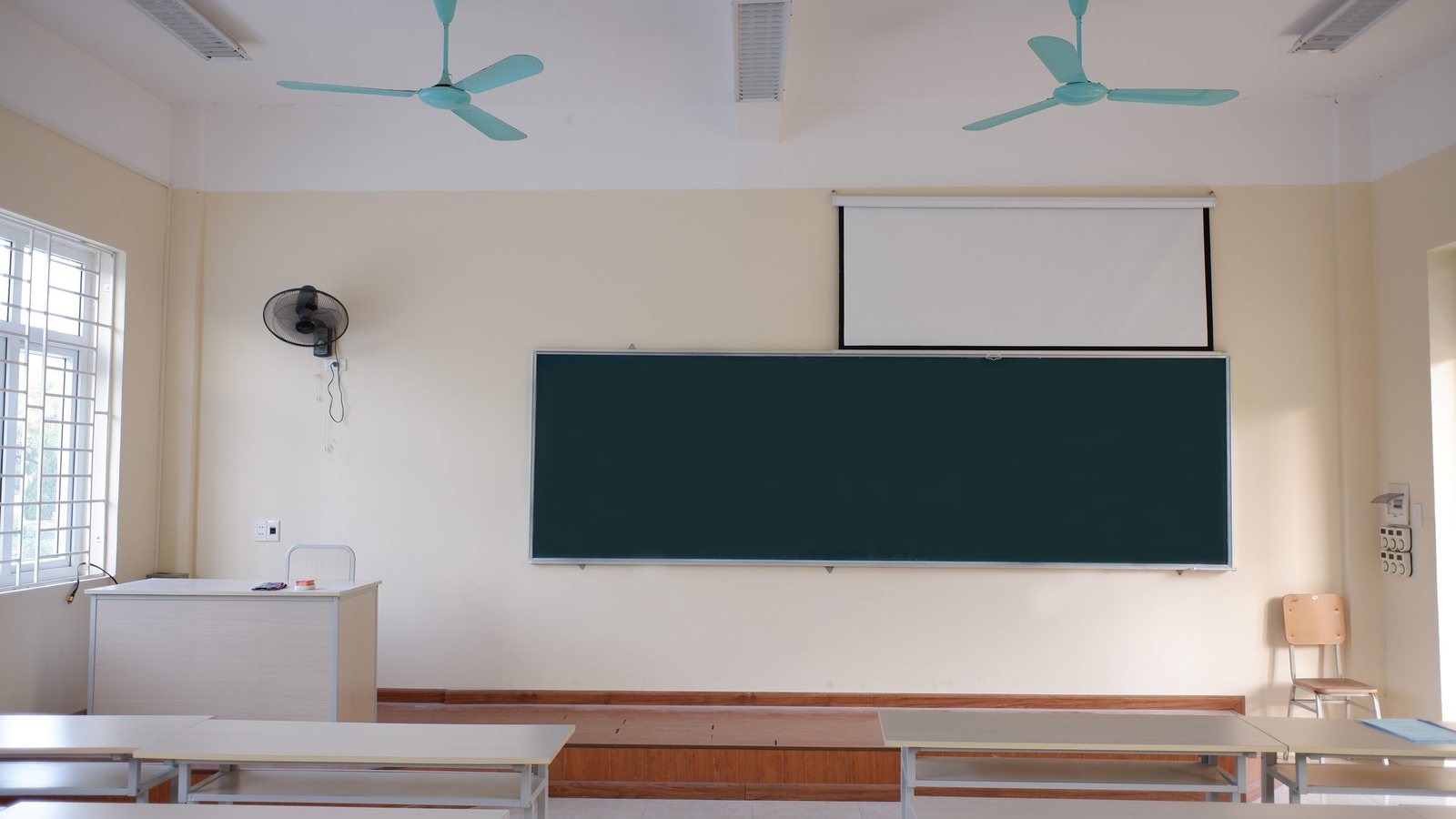
Full, colourful walls look lively, but for stimulus-sensitive children they're a constant distraction. Less is more here. Reduce the decoration above all at the front, where the children look towards the board, so the eye can come to rest. Deliberately keep part of the wall empty. What stays up should have a purpose, not just fill the space. That sounds unremarkable, but works immediately.
Visual aids instead of many words
Visual aids like picture plans are considered an evidence-based method: they can promote independent work and staying on task and reduce tension. A visible daily plan, a sequence in pictures, a clear cue for what comes next, all of this takes away uncertainty. Children who struggle with transitions in particular benefit enormously when they see rather than only hear how the day unfolds. And it relieves you too, because there are fewer questions.
Note, an important exception: with children who have a so-called PDA profile, fixed visual plans can even have the opposite effect. Why that is and what helps then, I explain below in a section of its own.
The full text is in the app
In bloomnow you get the whole article, together with the exercises that belong to it. The app launches soon. Leave your address and we will write to you at launch.
Pre-register