Supermarket, birthday party, crowded bus. When the stimuli become too much, a few simple tools that fit in any bag help, and an attitude that makes everything easier.
There are places that are hell for some children, even though they seem perfectly normal to others. The supermarket with harsh light, beeping till and a thousand impressions. The birthday party with noise and bustle. The crowded bus. What happens there isn't drama and isn't bad manners, but often sensory overload.
Why some children experience stimuli differently
Many neurodivergent children perceive sensory stimuli differently, sometimes over-sensitively, sometimes under-sensitively, often both depending on the situation. Since 2013, this over- or under-sensitivity to sensory stimuli has explicitly been part of the diagnostic criteria for autism, and very many autistic people experience such differences. When too many stimuli arrive at once, the nervous system runs at full speed. That's exactly what often leads to what looks from outside like an “outburst from nowhere", but is in truth the end of a long overload.
Three tools for the moment
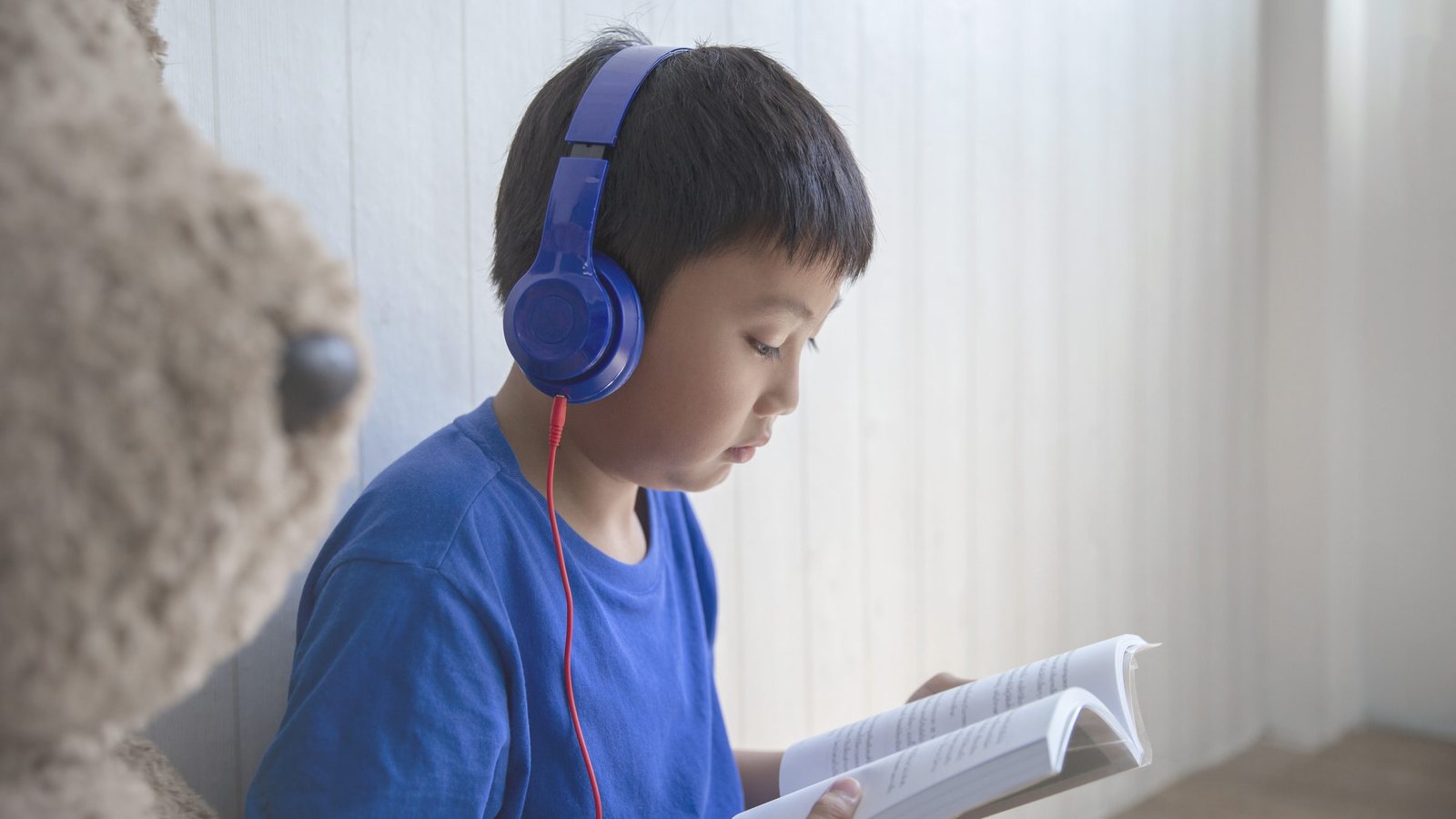
- Ear protection or headphones. Noise is the biggest stress factor for many children. Light earplugs or noise-reducing headphones in the bag can make a crowded supermarket instantly more bearable. Many children wear them gladly once they notice how much they relieve.
- A timed retreat. Agree a signal with which your child can say “I have to get out", without words. Briefly outside the door, to the toilet, into the stairwell. Two minutes of less stimulation can turn the situation around before it tips.
- Something for the hands. A familiar object, a chew pendant, a spiky ball or a smooth stone. Something constant to grip gives the nervous system an anchor in the middle of the stimulus chaos.
The full text is in the app
In bloomnow you get the whole article, together with the exercises that belong to it. The app launches soon. Leave your address and we will write to you at launch.
Pre-register