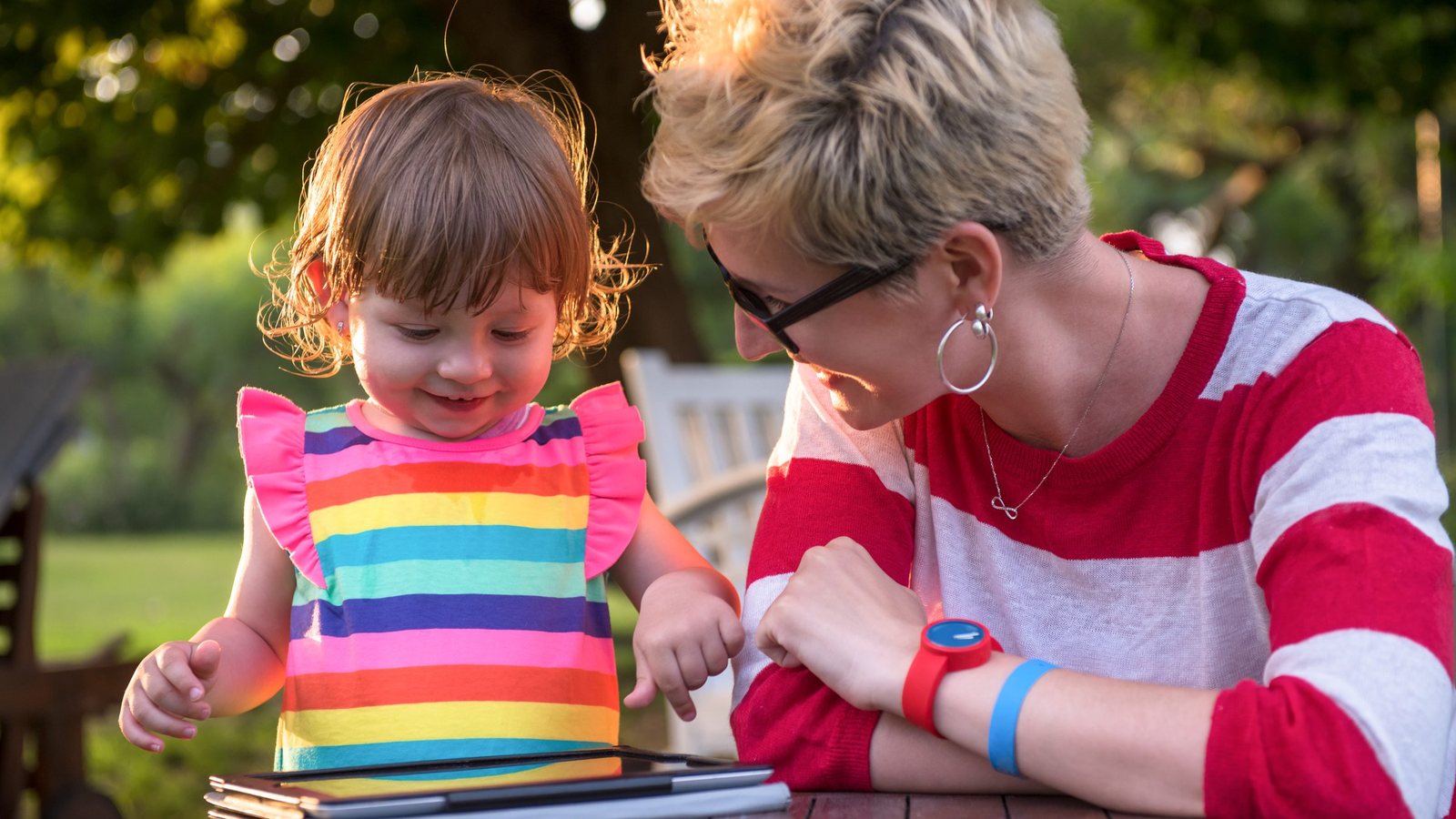
Hardly any worry comes up as often in parent chats and staff rooms as this one: are phones and tablets destroying our children's attention, perhaps even causing ADHD? This article separates cleanly what the science shows, what is a myth, and what you can actually do in everyday life.
"Ever since the tablet came into the house, my child can't concentrate at all anymore." Sentences like this are common, and behind them lies a genuine concern. At the same time, the claim that screens cause ADHD stubbornly persists. The two are often lumped together, and that is exactly where the misunderstanding begins. Because the research paints a clear but nuanced picture: ADHD and screen use are two different things that have to be considered separately.
This article is for parents, educators and professionals. It honestly answers two questions: can screens trigger ADHD? And what is behind the widespread fear that media shrink our attention?
The clear answer first: ADHD is innate
ADHD is a neurological developmental difference that is present from the very beginning. It does not come from television, tablets or too little discipline. The most important evidence for this is heritability: twin studies estimate it at around 74 percent, some studies even up to 80 percent. That makes ADHD one of the most strongly genetically shaped developmental differences there are. Among identical twins, both siblings share the traits far more often than among fraternal twins.
In the brain, the differences show up above all in the neurotransmitters dopamine and noradrenaline, as well as in the circuits around the prefrontal cortex, the area that steers attention, impulses and planning. These differences are laid down early in brain development, often before birth. The recognised environmental factors are biological in nature, such as smoking during pregnancy, premature birth or low birth weight. Screens or parenting style are explicitly not among them.
The full text is in the app
In bloomnow you get the whole article, together with the tools that belong to it.
Get the app