
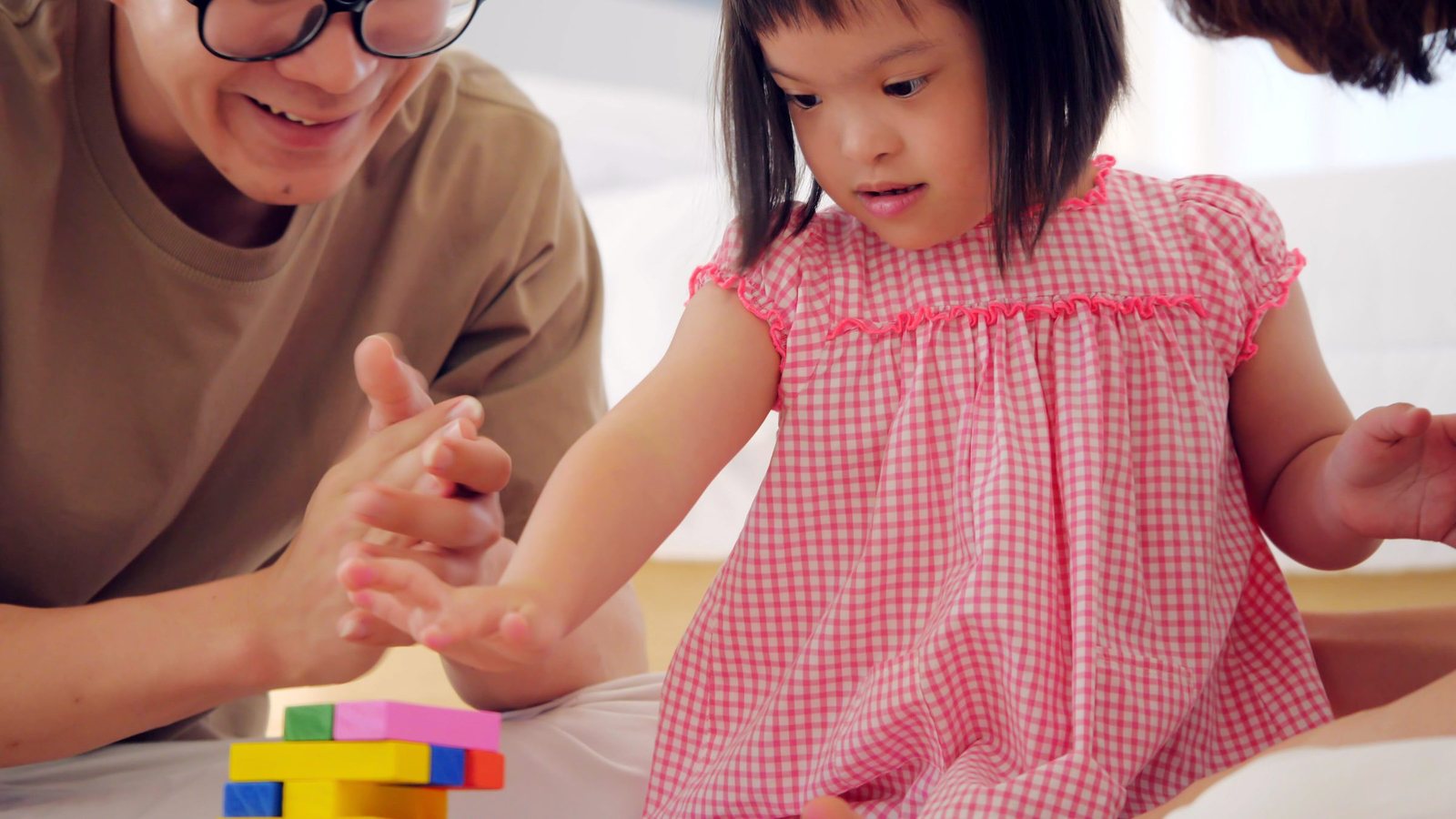
Neurodivergence in nursery: supporting a child in a large group
- Nursery is often the first place where differences become visible, and you act without a diagnosis.
- As an educator you may observe and describe, but not diagnose; your observations are worth gold.
- Read behaviour as communication: not “how do I stop this?” but “what is the child trying to tell me?”.
Short answers
How do I support a neurodivergent child in kindergarten without a diagnosis?
Look closely and describe what you see without diagnosing: how does the child react to noise, transitions, closeness and free play? Add structure and pictures, a quiet corner in the group, and read behaviour as a signal.
What helps a child with transitions in kindergarten?
A visual daily schedule in simple pictures, first-then cards ("first tidy up, then the garden") and changes announced in good time. The switch from play to something new is especially hard for many children.
How do I set up a retreat corner in a kindergarten group?
Even in the fullest room a quiet corner is possible, such as a den made from a shelf and a cloth, a cushion with headphones or a box of calming things. What matters is the message: not a punishment spot but a safe harbour the child may use early enough.
In nursery it often shows up first that a child is travelling differently. How do you support them well, in the middle of a large group and without a diagnosis? Practical paths for everyday life.
Nursery is frequently the first place where differences become visible, because a child is here for the first time in a large group for longer. That's exactly what makes your work so valuable and so demanding: you notice early what might be going on, but have to act in a full group and without a diagnosis. That's doable, with a few attitudes and tools that really hold up in everyday life.
Allowed to observe, not to diagnose
As an early-years educator you may and should look closely and describe what you see. What you don't do is make a diagnosis, that's the professionals' job. Your strength is everyday observation over many weeks: how does the child react to noise, to change, to closeness, to free play? These observations are worth gold, for the parents and later for any assessment. Record them concretely, without prematurely putting them in a box.
Structure and pictures give support
Young children who process the world differently need especially much predictability. A visual daily schedule, the day in simple pictures, takes away an enormous amount of uncertainty. First-then cards help over difficult spots: first tidy up, then garden. Announce changes in good time, because transitions in particular, from play to circle time or from indoors to outdoors, are often the stumbling points. Such visual aids are considered evidence-based and incidentally help the whole group.
A retreat space within the group
Even in the fullest group room, a quiet corner can be created, a den from a shelf and a cloth, a cushion with headphones, a box of calming things. What matters is the message: this isn't a place of punishment, but a safe harbour. A child who is allowed to go there early enough can often self-regulate before things become a big overwhelm. That relieves the child and you.
Read behaviour as communication
When a child bites, screams or withdraws, that's rarely malice, but almost always a signal of overwhelm or an unmet need. The helpful question isn't “How do I stop this?" but “What is the child trying to tell me?". Was it too loud, too cramped, too many changes, too few breaks? Whoever looks this way often finds a simple cause, and can change it, instead of just fighting the behaviour.
The transition to school
A particularly sensitive point is the move from nursery to school. A lot of valuable knowledge gets lost here if no one passes it on. What calms a child, what overwhelms them, what has helped in everyday life, all of this should find its way to the school, of course in agreement with the parents. That way the child doesn't have to start from scratch, and the new environment starts with understanding instead of guesswork.
A tip you can pass on to parents: bloomnow offers guided self-reflections with focused questions and examples that help parents order their gut feeling before they go to the paediatrician. You can simply point families to it. And you yourself may use the reflections too, to make sense of an observation of your own. Important and honest: this is not a medical test and not a diagnosis. bloomnow does not make diagnoses and is not a medical device, but an orientation aid. We also offer many tools and a community where parents and you as educators can exchange ideas, and where you'll find vetted experts.
“You don't have to label a child to make their day easier. You only have to understand what they need right now."
Lower stimulation in the group room
Group rooms are often full: colourful walls, lots of materials, constant noise. For a stimulus-sensitive child that's tiring, sometimes overwhelming. You don't have to change everything, but small adjustments help: make part of the walls calmer, deliberately alternate loud play phases and quiet ones, and create a spot where a child can briefly escape the bustle. Not only the one child benefits; the whole group becomes calmer, because fewer stimuli also mean less friction.
See strengths, not only difficulties
In the bustle of the group, what's difficult quickly comes to the fore. Yet every child also brings something special. A child who immerses themselves deeply in a topic has a remarkable ability to concentrate. A child who notices every change has an alert eye. When you name these strengths, towards the child and towards the parents, you change the picture everyone has of the child. And a child who senses they're not seen only as a problem often visibly blossoms.
Sources
- BMB Austria · Autism Spectrum: handbook for early-years education
- Vanderbilt TRIAD · Visual Supports (evidence-based practice)
It continues in the app
bloomnow is there for exactly the moments this text is about: tools for the hard minutes, videos from professionals, and a community that knows the same everyday life.
Get the app