
What actually helps parents
Texts about the moments that really happen in everyday life with extra-ordinary children. Written to be understood, without a clinical label.

Everyday tools for families: what helps with ADHD
ADHD is not a discipline problem: the brain regulates attention, impulses and reward differently, which is why almost every tool here changes the surroundings rather than the child.

What is a shutdown, and what does it feel like from the inside?
A shutdown is your nervous system’s quiet way of protecting itself: instead of reacting outward, it turns inward.

What is a meltdown, and what really happens during one?
A meltdown isn’t a tantrum or a tactic, it’s an involuntary reaction of the nervous system to overload.

PDA: when even a friendly request is too much
Some children react to perfectly ordinary demands with such strong resistance that proven teaching tools not only fail but make things worse. One name used for this is PDA. What lies behind it, what research knows and what can help in the classroom.

Together, not alone: why every child needs a circle of support
Nobody can guide a neurodivergent child through school life alone, neither parents nor educators. What holds is a network of adults who know about each other and talk to each other.

Quiet activities: what a child can do well on their own for 10 to 20 minutes
Every child needs moments when they can simply be with themselves. For neurodivergent children, a well-chosen quiet activity is often more than a way to pass the time: it is a tool for self-regulation.

Meltdown or shutdown in class: what you can do in the moment
When a child is overwhelmed in class, you are standing there with a whole class and one child in distress. The most important thing often happens before you do anything pedagogically “right”: you get help.

Guide: Fully in your body
Slowly through the whole body, feet to face. Why the body scan helps when you have been all in your head, and how to do it at home.

Guide: Shake off tension
Shake out your arms and legs. Why trembling and shaking is the body's oldest stress release and how to use it in one minute.

Guide: Hold yourself
Crossed arms, tapping side to side. Where the butterfly hug comes from and how to hold yourself with it when a wave rises.

Guide: Come back to now
5-4-3-2-1: the five senses in turn. Why this exercise brings you out of your head and back into the room, and how to do it anywhere without anyone noticing.

Guide: Stay steady
Three seconds in, six seconds out, no holding. The exercise for the moment your child is escalating and you feel it pulling you in.

Bullying and neurodivergence: getting strong without getting mean
Neurodivergent children are bullied far more often, and some eventually lash out hard themselves.

Guide: Muscle Relaxation
Tense first, then let go. Why the detour through tension relaxes more deeply than letting go alone, seven groups in five minutes.

Guide: Autogenic Training
Calm phrases instead of tensing. How autogenic training works, why you often feel nothing the first time and why the return step belongs to it.

Guide: Loosen your jaw
Teeth, tongue, jaw, shoulders. Why the face holds on first and how to get it soft again in two minutes.

Guide: Firmly grounded
Press, hold, release. Why firm pressure brings you back when you are drifting away and how nobody around you notices.

Guide: For falling asleep
Four in, seven hold, eight out. Why the long exhale makes you sleepy and how to run the exercise in bed without your phone.

Guide: Relax deeply
Five seconds in, five seconds out, for three minutes. Why this rhythm brings real recovery and not just a short break.

Guide: Lower your pulse
One tone only you hear, and your body switches over. Why humming works faster than breathing alone, and how to do it in a minute.

Guide: Calm down quietly
Four in, four hold, four out, four hold. Why the even four-count works in a queue and how to keep it going without the app.

Guide: Stop stress fast
Two breaths in, one long breath out. Why the physiological sigh works in under a minute and how to do it on your own.

When your child gets aggressive: behaviour is communication
Aggression in children is usually overload and dysregulation, not a character flaw.

Psychiatrist, psychotherapist, psychologist: who does what?
Diagnosis, prescriptions, therapy and assessments sit with different professions, knowing this saves you time.

The appointment is coming up: how to prepare
An assessment is not an exam. Not for you, not for your child.

Why your observations matter at the appointment
The professional sees your child for two hours. You see them every day.

Parental burnout: you're not weak, you're burned out
Parental burnout is a phenomenon in its own right, not a character flaw and not imagination.

Masking: what it costs your child to seem “normal”
Masking is the constant effort to seem “normal”, and it exhausts, even when it can't be seen from outside.

RSD: why criticism and conflict hit your child so hard
Some neurodivergent children feel rejection and criticism almost physically, the community calls this RSD.

Autism in young children: early signs beyond the clichés
A single sign means nothing; it's about the overall picture and your gut feeling.

ADHD, the quiet type: when your child doesn't fidget but daydreams
There's a predominantly inattentive form of ADHD that stands out not through movement but through absence.

Giftedness and its shadow: why clever doesn't mean easy
Giftedness is no guarantee of an easy life, but a profile of its own with strengths and shadow sides.

Could it be high sensitivity? The 7 signs, and where HSP ends
High sensitivity is an innate trait, not a defect, in which stimuli are processed more deeply.

Neurodivergence in nursery: supporting a child in a large group
Nursery is often the first place where differences become visible, and you act without a diagnosis.
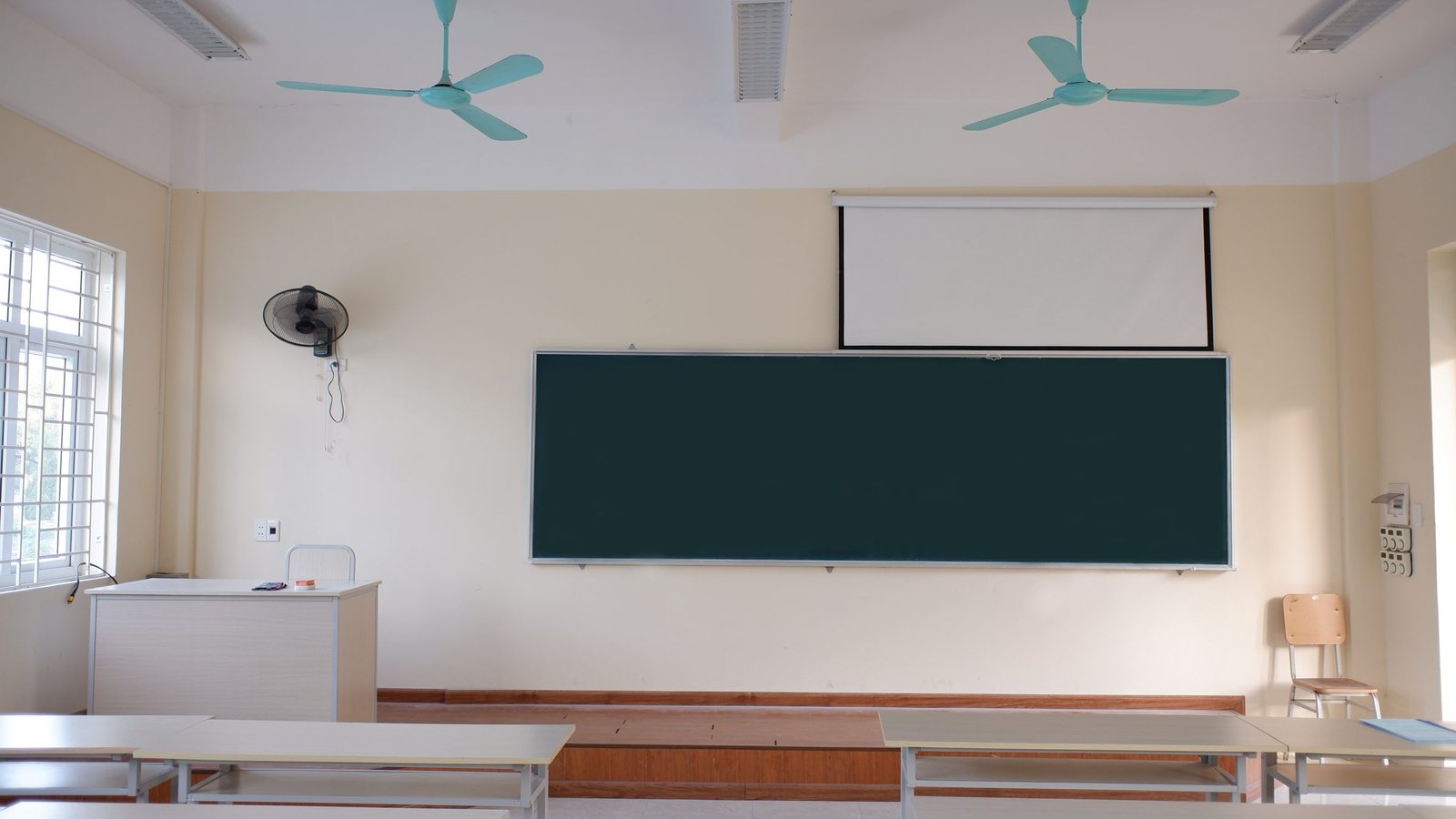
The low-stimulation classroom on a small budget
You don't need extra budget; often it's small changes that make the difference.

Sensory overload: 3 instant tools for when you're out
An “outburst from nowhere” is often the end of a long overload, not bad manners.

My child stands out: a problem, or simply different?
“Standing out” is not a verdict on your child, only a sign that something between child and environment doesn't fit.

A meltdown is not a tantrum: what really helps in the moment
A tantrum is goal-directed; a meltdown is loss of control through overwhelm, and that changes everything.

You did nothing wrong
ADHD and autism are strongly hereditary and set early; no parenting style causes them.

When one parent thinks the child is being spoiled
With neurodivergent children, classic toughness often doesn't work, because the behaviour has a different cause.

Using the diagnosis waiting time well, instead of just waiting
Waiting times of one to two years are not rare, but the time doesn't have to be lost time.

The underestimated three: neurologist, social worker, optometrist
Neurologists, functional optometrists and social workers are often forgotten, yet they can help decisively.

Understanding Tourette: what's really going on in the brain
Tourette is neurological and strongly hereditary, not a question of parenting or willpower.

Do screens cause ADHD? What the research really says
ADHD isn't caused by screens: it's innate and highly heritable.

My child doesn't want hugs and kisses: why, and what can I do?
Love can be felt and shown without a hug.

The path to a diagnosis: the five stages
The path to a diagnosis has five steps, from the paediatrician to the first weeks afterwards.